
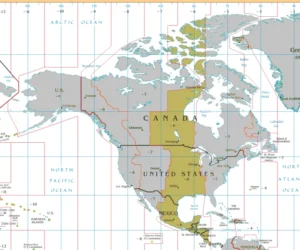
🌎 Central Time (CT) – Complete Overview
Central Time (CT) is one of the primary time zones in North America, covering a vast vertical corridor
from Canada through the Central United States and down into Mexico.
It operates at UTC−6 during standard months (CST) and shifts to UTC−5
during Daylight Saving Time (CDT).
📍 Key Highlights
- The second most populous time zone in the United States
- Covers major cities like Chicago, Houston, and Dallas
- Used in parts of Canada, including Manitoba and Ontario
- Historically aligned with most of Mexico, including Mexico City
💼 Why Central Time Matters
Central Time acts as a strategic bridge between the East and West coasts.
The CME Group in Chicago serves as a global hub for agricultural
and financial derivatives trading, making it crucial for global investors.
❓ Frequently Asked Questions
1. What does CT stand for and what is its UTC offset?
CT stands for Central Time. It is 6 hours behind Coordinated Universal Time (UTC-6) during the winter (CST) and 5 hours behind (UTC-5) during the summer (CDT).
2. Which major cities use Central Time?
Major metropolitan areas in this zone include Chicago, Houston, Dallas, New Orleans, Winnipeg, and Mexico City.
3. When does CT change from CST to CDT?
In the US and Canada, clocks “spring forward” on the second Sunday of March and “fall back” on the first Sunday of November. Note that most of Mexico no longer observes Daylight Saving Time.
4. Is Chicago time always the same as Dallas time?
Yes. Both Chicago and Dallas sit within the Central Time Zone and remain perfectly synchronized throughout the year.
5. How does Central Time relate to Eastern Time?
Central Time is exactly 1 hour behind Eastern Time. When it is 10:00 AM in New York (EST/EDT), it is 9:00 AM in Chicago (CST/CDT).